Control Procurements manages active contracts: monitoring seller performance against the agreement, processing payments and changes, handling claims and disputes, and formally closing out completed contracts. It protects both parties’ interests and ensures each meets its obligations.
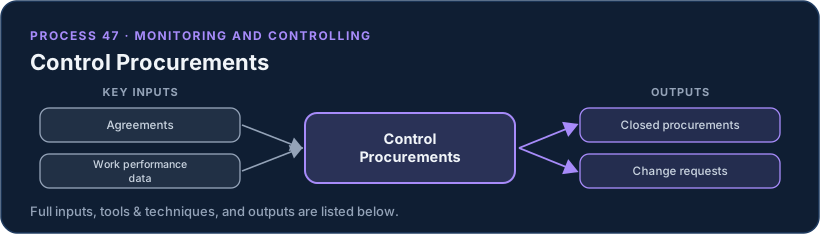
Inspections, audits, and performance reviews verify the seller is delivering to plan. Because contracts are legal instruments, changes must follow the contract’s change provisions, and documentation matters for any later dispute.
Common pitfalls. Letting contract administration lapse so issues surface late; informal changes that conflict with contract terms; weak documentation that undermines claims; and failing to formally close contracts, leaving liabilities open.
Inputs, Tools & Techniques, and Outputs
Inputs
- Project management plan
- Project documents
- Agreements
- Procurement documentation
- Approved change requests
- Work performance data
- Enterprise environmental factors
- Organizational process assets
Tools & Techniques
- Expert judgment
- Claims administration
- Data analysis
- Inspection
- Audits
Outputs
- Closed procurements
- Work performance information
- Procurement documentation updates
- Change requests
- Project management plan updates
- Project documents updates
- Organizational process assets updates
How This Process Connects
Every process hands artifacts to other processes. Follow the flow of this one:
Where its inputs come from
- Perform Integrated Change Controlproduces: Approved change requests
- Direct and Manage Project Workproduces: Work performance data
- Conduct Procurementsproduces: Agreements
- Develop Project Management Planproduces: Project management plan
Where its outputs go
- Monitor and Control Project Workuses: Work performance information
- Perform Integrated Change Controluses: Change requests
More in Project Procurement Management
In the Domains & Principles View
The PMBOK® Guide frames this work through performance domains and principles:
In the Eighth Edition
Control Procurements is not one of the Eighth Edition’s 40 processes. Procurement moves out of the process set into Appendix X4: Procurement.