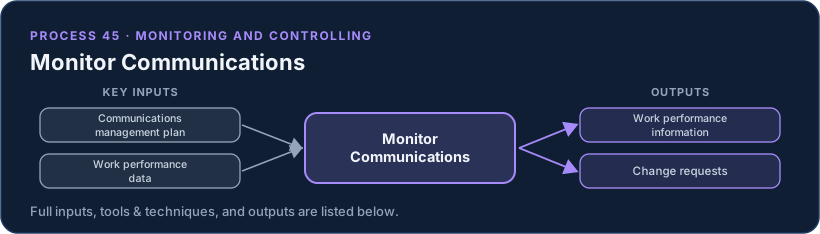
Monitor Communications checks that planned communications are actually meeting stakeholder needs and adjusts when they aren’t. It is the feedback loop on the communications and engagement plans, confirming the right information is reaching the right people effectively.
Signals like recurring misunderstandings, ad hoc information requests, or unresolved issues indicate communication isn’t working, prompting changes to methods, frequency, or content.
Common pitfalls. Assuming that because information was sent it was received and understood; no mechanism to gather feedback; ignoring the warning signs of poor communication; and adjusting volume rather than effectiveness.
Inputs, Tools & Techniques, and Outputs
Inputs
- Project management plan
- Project documents
- Work performance data
- Enterprise environmental factors
- Organizational process assets
Tools & Techniques
- Expert judgment
- Project management information system
- Data representation
- Interpersonal and team skills
- Meetings
Outputs
- Work performance information
- Change requests
- Project management plan updates
- Project documents updates
How This Process Connects
Every process hands artifacts to other processes. Follow the flow of this one:
Where its inputs come from
- Direct and Manage Project Workproduces: Work performance data
- Develop Project Management Planproduces: Project management plan
Where its outputs go
- Monitor and Control Project Workuses: Work performance information
- Perform Integrated Change Controluses: Change requests
More in Project Communications Management
In the Domains & Principles View
The PMBOK® Guide frames this work through performance domains and principles:
In the Eighth Edition
Monitor Communications keeps its name in the Eighth Edition. It is one of the 40 processes and sits in the Stakeholders performance domain.