Stakeholders influence a project’s performance and outcomes, for better or worse, so this principle calls for engaging them on purpose rather than reacting when they complain. The right amount of engagement varies by stakeholder; the aim is enough involvement to contribute to success and satisfaction, no more and no less.
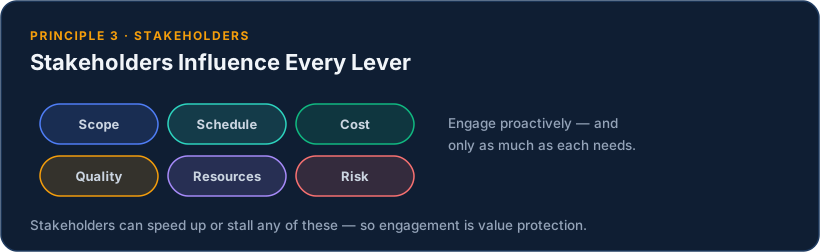
Stakeholders can shift almost any lever on a project — adding scope, accelerating or stalling the schedule, trimming or inflating cost, shaping quality expectations, freeing or withholding resources, and surfacing or creating risk. Effective engagement means understanding their interests and influence, then communicating and involving them in a way that turns that influence toward the project.
Common misunderstanding. More communication is not always better engagement. Bombarding everyone with the same updates is noise; real engagement is tailored — the right people, the right information, at the right depth.
Where This Principle Shows Up
The domains and knowledge areas where this principle does its heaviest lifting:
In the Eighth Edition
In the Eighth Edition, Effectively Engage With Stakeholders is merged with Focus on Value, Embrace Adaptability and Resiliency, and Enable Change to Achieve the Envisioned Future State into one principle, Focus on Value. PMI’s reasoning, paraphrased: Value drives projects and only exists once stakeholders are understood and guided through change; the stakeholder half of this moves into the Stakeholders performance domain, where it is treated in more depth.