Projects are delivered by teams, not lone heroes. This principle is about deliberately shaping the environment so collaboration actually happens: a team that sets its own working agreements, has clear roles and structure, and runs on processes it owns. Get that right and you unlock synergy — the team outperforms the sum of its individuals.
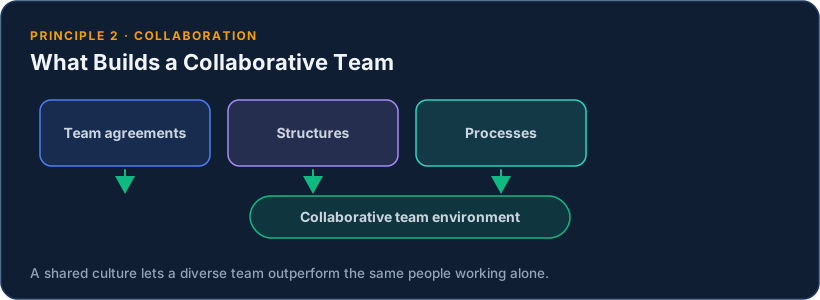
Three ingredients do most of the work:
- Team agreements — explicit norms for how the team communicates, decides, and handles conflict.
- Structures — clear roles, responsibilities, and authority so people know who does what.
- Processes — lightweight ways of working that the team owns and improves.
Common misunderstanding. Collaboration is not the same as constant meetings or forced consensus. It is a culture of trust and shared ownership; sometimes the most collaborative thing a team can do is agree on who decides and let them.
Where This Principle Shows Up
The domains and knowledge areas where this principle does its heaviest lifting:
In the Eighth Edition
In the Eighth Edition, Create a Collaborative Project Team Environment becomes Build an Empowered Culture. PMI’s reasoning, paraphrased: An empowered culture covers both the project team environment and effective collaboration with all stakeholders — a widening of the old team-only framing.