There is no universal best process. This principle is about deliberately adapting approach, governance, and processes to suit the project at hand, aiming for just enough — enough structure to produce good outcomes, without overhead that slows the team or buries value in ceremony.
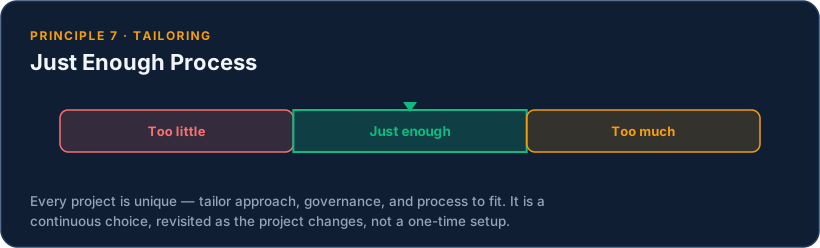
Tailoring is iterative: you choose a starting framework, then adjust it as you learn what helps and what gets in the way. The goal is to maximize value, manage cost, and enhance speed — which usually means trimming process that is not earning its keep and adding it only where it clearly reduces risk or confusion.
Common misunderstanding. Tailoring is not an excuse to skip discipline, nor is it a one-time decision at kickoff. Too little process is as harmful as too much; the skill is finding — and re-finding — the sweet spot as the project evolves.
Where This Principle Shows Up
The domains and knowledge areas where this principle does its heaviest lifting:
In the Eighth Edition
Tailor Based on Context is no longer a principle in the Eighth Edition. It moves to the Tailoring section. PMI’s reasoning, paraphrased: Tailoring stays central to success but practitioners wanted it discussed through concrete mechanics and examples rather than as a principle.