Projects create a unique need for leadership: they pull together people from different organizations and functions, often with higher stakes and more competing influences than day-to-day operations. This principle separates leadership from authority — leadership is a set of behaviors any team member can show, not a property of the org chart.
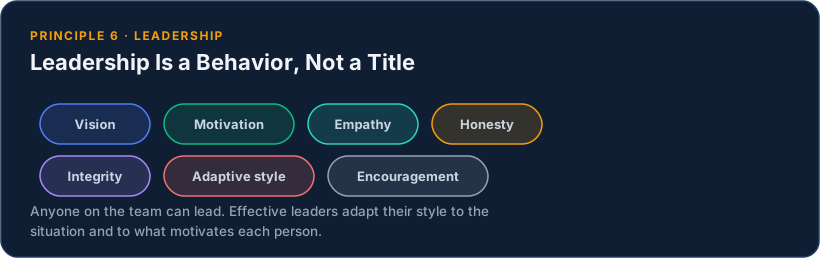
Effective leaders adapt their style to the situation and recognize that people are motivated by different things. They model the behavior they want to see — honesty, integrity, ethical conduct — because a team takes its cues from what leaders actually do, not what they say.
Common misunderstanding. Leadership is not the same as being in charge. The most valuable leadership on a project often comes from people with no formal authority who step up to align, motivate, and unblock the team.
Where This Principle Shows Up
The domains and knowledge areas where this principle does its heaviest lifting:
In the Eighth Edition
In the Eighth Edition, Demonstrate Leadership Behaviors is merged with Be a Diligent, Respectful, and Caring Steward into one principle, Be an Accountable Leader. PMI’s reasoning, paraphrased: Clarifies which leadership behaviors actually drive project success; stewardship is treated as one such behavior and folded into professional accountability.