A project is a set of interdependent parts that also sits inside larger systems — a program, a portfolio, an organization, a market. This principle asks you to take a holistic, systems view: recognize the interactions, evaluate how a change in one area ripples into others, and respond to keep the whole performing well.
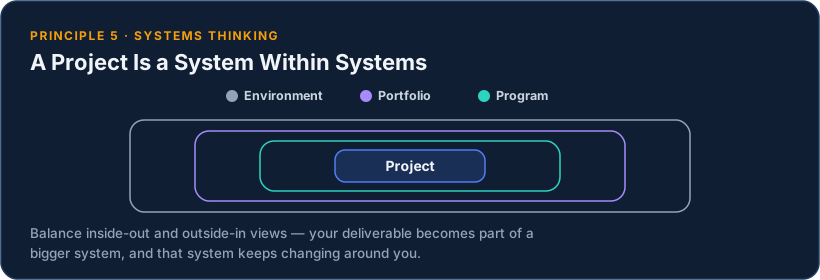
In practice this means balancing inside-out and outside-in perspectives. Your deliverable will likely become part of a bigger system to realize its benefits, and external conditions keep shifting, so systems thinking is continuous — not a one-time architecture diagram. A small decision in one area, like a schedule change, often has outsized effects on cost, stakeholders, and risk.
Common misunderstanding. Systems thinking is not over-analysis or boiling the ocean. It is the habit of asking what else a decision touches, so you avoid local fixes that create bigger problems downstream.
Where This Principle Shows Up
The domains and knowledge areas where this principle does its heaviest lifting:
In the Eighth Edition
In the Eighth Edition, Recognize, Evaluate, and Respond to System Interactions is merged with Navigate Complexity into one principle, Adopt a Holistic View. PMI’s reasoning, paraphrased: A project's organizations, stakeholders and geographies form one complex system, so practitioners have to zoom out to see the related constraints and changes.