Projects are, by definition, agents of change — they create something new. But the new deliverable only produces value if the people and organization affected actually transition to using it. This principle is about enabling that transition with a structured approach, moving people from the current state to the intended future state.
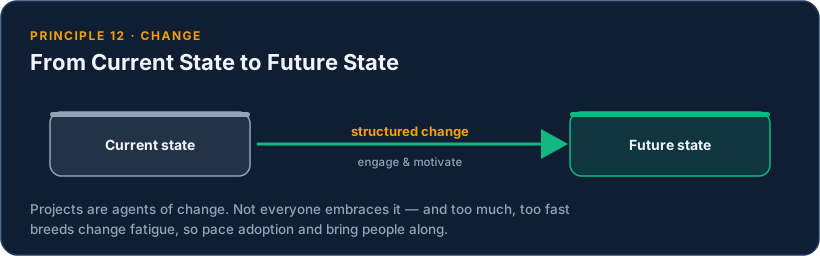
Change can come from inside or outside the organization, and not everyone welcomes it. Trying to push too much change too fast breeds fatigue and resistance, so successful enablement paces adoption and leans on stakeholder engagement and motivation to bring people along. The work is not done when the deliverable ships — it is done when the new behavior sticks.
Common misunderstanding. Delivering the solution is not the same as achieving the change. Without deliberate adoption work, even a perfect deliverable can sit unused — and the envisioned benefits never materialize.
Where This Principle Shows Up
The domains and knowledge areas where this principle does its heaviest lifting:
In the Eighth Edition
In the Eighth Edition, Enable Change to Achieve the Envisioned Future State is merged with Effectively Engage With Stakeholders, Focus on Value, and Embrace Adaptability and Resiliency into one principle, Focus on Value. PMI’s reasoning, paraphrased: Value drives projects and only exists once stakeholders are understood and guided through change; the stakeholder half of this moves into the Stakeholders performance domain, where it is treated in more depth.