Projects rarely run exactly to plan. This principle is about designing for that reality: adaptability — the ability to respond to changing conditions — and resiliency — the ability to absorb an impact and recover quickly from a setback or failure. Together they help a project accommodate change and keep advancing.
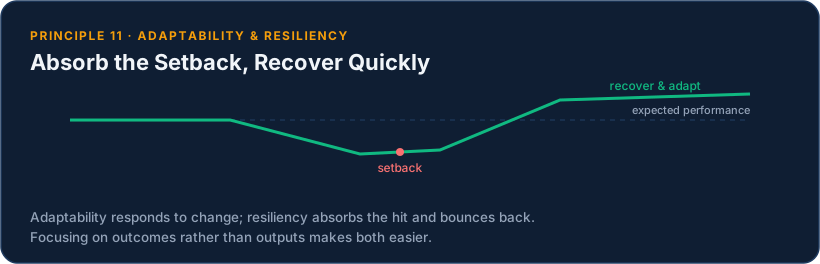
A focus on outcomes rather than outputs makes both easier: when the team is anchored to the result rather than a fixed plan, it can change route without losing direction. Building in slack, options, and the capacity to learn turns disruptions into recoverable bumps rather than derailments.
Common misunderstanding. Adaptability and resiliency are not about abandoning the plan at the first sign of trouble. They are deliberate capabilities, built in advance, that let a team flex and bounce back without chaos.
Where This Principle Shows Up
The domains and knowledge areas where this principle does its heaviest lifting:
In the Eighth Edition
In the Eighth Edition, Embrace Adaptability and Resiliency is merged with Effectively Engage With Stakeholders, Focus on Value, and Enable Change to Achieve the Envisioned Future State into one principle, Focus on Value. PMI’s reasoning, paraphrased: Value drives projects and only exists once stakeholders are understood and guided through change; the stakeholder half of this moves into the Stakeholders performance domain, where it is treated in more depth.